

Which Oil Cooler Do I Need? Oil Cooler Size Guide (Rows, AN-8 vs AN-10, Fittings & Airflow)
Oil coolers are one of the smartest reliability mods you can add to a performance build — especially once you’re doing spirited driving, track days, drifting, turbo upgrades, or just pushing sustained high RPM. The trick is picking the right cooler for your setup, not just the biggest one.
If you’re building a complete setup, we stock universal aluminium oil coolers from 7–30 row plus lines, fittings, and adapters so you can put together a proper system in one go.
→ View our AN-10 aluminium oil coolers (7–30 row)
→ Shop AN fittings & hoses
→ Shop thermostatic sandwich plates & adapters
Why oil temperature matters (and what an oil cooler actually does)
Engine oil does more than lubricate... it also carries heat away from bearings, turbochargers, and other high-load components. When oil gets too hot for too long, it thins out, pressure can drop, and wear increases.
An oil cooler adds extra heat rejection by pushing hotoil through a finned core mounted in airflow (similar idea to a small radiator). Done correctly, it helps:
-
Stabilise oil temperature during sustained load
-
Improve consistency on track/drift/fast road runs
-
Reduce heat soak on turbo setups
-
Protect the engine when ambient temps are higher
Key point: An oil cooler is only as effective as the airflow and oil flow you give it.
1) Understand your driving style & use case
Before you choose row count and hose size, be honest about how the car is used!
Daily street (light load)
-
Short bursts of throttle
-
Lots of cooling downtime
-
Oil temps usually manageable unless the car is modified
Spirited / fast road
-
Longer pulls, more sustained RPM
-
Higher chance of heat soak
-
Oil temps often creep up on warmer days
Track / drift / repeated hard runs
-
Sustained high load for long periods
-
Oil temps rise quickly and stay high
-
Cooling capacity and airflow become critical
Turbo vs NA (and power level)
-
Turbo cars generally dump more heat into the oil (turbo bearing housing + higher cylinder pressure)
-
Higher-demand setups typically benefit from larger row oil coolers and higher-flow lines
2) Choose the correct oil cooler size (Row Count)
Row count is the simplest way to understand cooler “capacity” (more rows = more surface area). It’s not perfect science because core design and airflow matter, but it’s a strong starting point.
Oil cooler row guide (simple, real-world)
-
7–10 row: light street / mild builds / limited space
-
13–16 row: fast road, spirited driving, warm climates
-
19–25 row: track/drift, turbo builds, high sustained load
-
30 row: heavy-duty cooling for high-power or high-heat use cases, assuming airflow is strong
Important: Oversizing can be a problem in cold weather if you don’t control oil temperature. That’s why thermostats matter (more on that below).
→ View our AN-10 aluminium oil coolers (7–30 row)
3) Select the right fitting size (AN matters)
This is where most installs go wrong: people buy a cooler, then restrict it with small lines/fittings... Why?
What’s the difference: AN-8 vs AN-10?
Think of it like this:
-
AN-8: smaller internal flow area, can be fine for mild setups or space-limited installs
-
AN-10: better flow, less restriction, and widely considered the “sweet spot” for performance builds
Why AN-10 is the standard for performance
-
Better oil flow = better heat transfer and more stable pressure
-
Reduced restriction helps protect the engine during sustained load
-
Makes sense if you’re already investing in a proper cooler
If you’re building a universal setup and want the best all-round result, AN-10 is typically the safest bet. (There is bigger sizes like AN-12 ETC however AN-10 is usually the go too)

4) Oil flow, thermostats & adapters (don’t skip this)
A quality oil cooler setup isn’t just the core. It’s the control system.
Why thermostatic sandwich plates matter
A thermostat helps oil warm up properly and then opens at a set temperature to route oil through the cooler when needed.
Without a thermostat, you can:
-
Overcool oil on colder days
-
Increase wear due to thick oil not reaching operating temp
-
Get inconsistent oil pressure behaviour
For UK weather, a thermostatic setup is the smart move for a daily-driven or mixed-use car.
Why “universal” adapters exist
Different engines use different thread sizes and filter arrangements. Sandwich plates, take-off plates, and adapter fittings make it possible to run a universal cooler on many vehicles safely.
→ Shop thermostatic sandwich plates & adapters
5) Mounting & airflow (often overlooked, massively important)
A bigger cooler with bad airflow can underperform a smaller cooler with clean airflow.
Airflow rules that actually matter
-
Mount where it gets direct fresh air (front grille area is common)
-
Avoid blocking it with number plates, crash bars, thick mesh, or ducting that doesn’t flow
-
Don’t mount directly behind a heat source if you can avoid it
-
Consider simple ducting to force air through the core
Hose routing tips
-
Keep bends smooth (avoid tight kinks)
-
Route away from sharp edges and exhaust heat
-
Secure properly (vibration kills fittings over time)
 .
. 
Quick picks (if you just want a straight answer)
These are general guidelines to point you in the right direction:
-
Mild street car / limited space: 7–10 row, AN-8 or AN-10 depending on setup
-
Fast road / warm climate / spirited use: 13–16 row, AN-10 recommended
-
Track/drift/turbo/high sustained load: 19+ row, AN-10 strongly recommended, thermostat advised
-
High power / heavy heat load: 25–30 row with strong airflow + thermostat
→ Build your setup: oil cooler + lines + fittings + adapters
FAQ
Which oil cooler do I need?
Pick based on use case and sustained load. Daily street cars often need less cooler than track/drift/turbo builds. Use row count as your baseline and prioritise airflow.
Oil cooler size guide: how many rows do I need?
As a starting point: 7–10 light street, 13–16 fast road, 19+ track/drift/high load, up to 30 row for heavy cooling when airflow is strong.
AN-10 oil cooler vs AN-8 — which is better?
AN-10 generally offers better flow and less restriction, making it the preferred option for performance builds. AN-8 can work for mild setups or tight packaging.
Do I need a thermostat for my oil cooler?
If the car is street-driven in variable weather, yes — thermostatic sandwich plates help prevent overcooling and reduce wear when oil is cold.
Can an oil cooler be “too big”?
Yes. Too much cooling (especially without a thermostat) can keep oil below ideal operating temp, which isn’t good for longevity. Bigger isn’t always better. Correct sizing + thermostat + airflow wins.
Closing
Choosing the right oil cooler isn’t about buying the biggest option — it’s about selecting the correct size and flow for your setup, then mounting it properly with good airflow.
At Sakura Streets™, we stock AN-10 aluminium oil coolers from 7–30 row, plus hoses, fittings, and adapters so you can build a complete, efficient cooling system from start to finish.
→ Shop oil coolers (7–30 row)
→ Shop lines & fittings
→ Shop thermostatic adapters
Related post
07
Feb
RECENT POSTS
07.February.2026
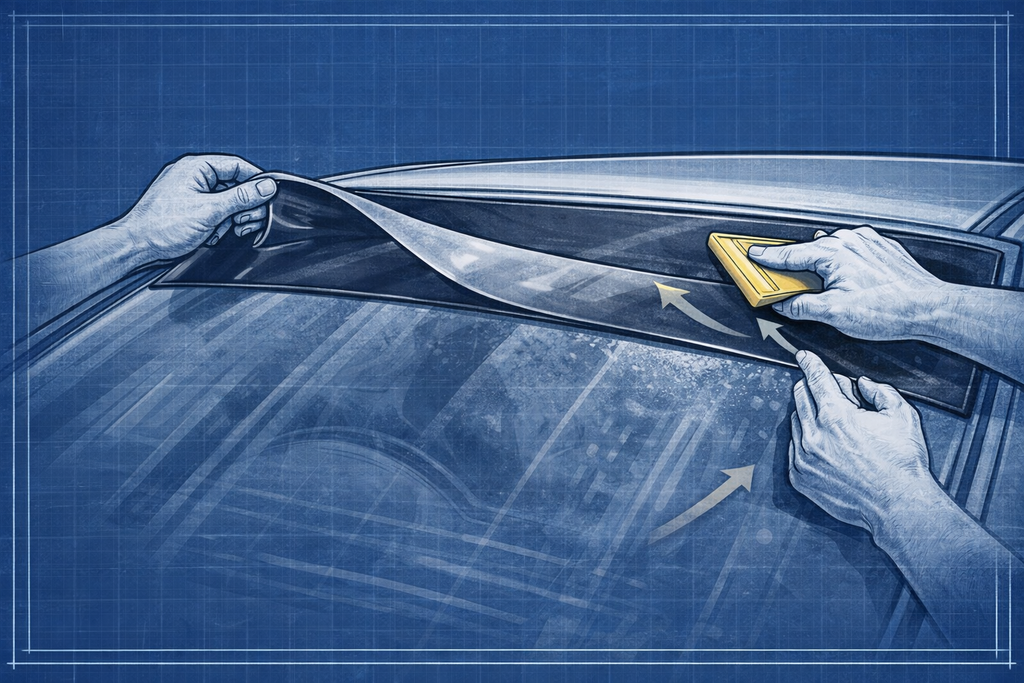
How to Fit a Sunstrip: Step-by-Step Guide for a Clean, Bubble-Free Finish
0 Comments
05.February.2026
Which Oil Cooler Do I Need? Oil Cooler Size Guide (Rows, AN-8 vs AN-10, Fittings & Airflow)
0 Comments


